
By Mavis Paintsil, Accra
The Importers and Exporters Association of Ghana (IEAG) has called for an urgent, high-level intervention led by the Chief of Staff to tackle worsening congestion at Ghana’s ports, warning that Ghana risks losing import trade to neighbouring countries if decisive action is not taken before the December peak season.
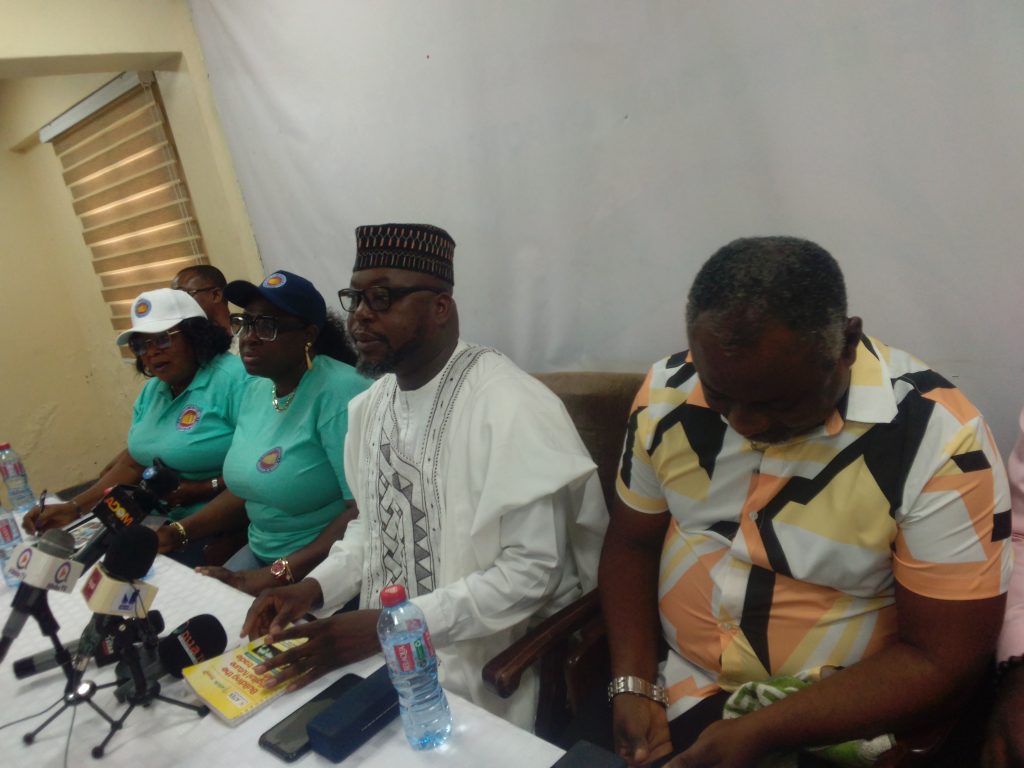
In a press statement issued on September 14 and signed by its Executive Secretary, Samson Asaki Awingobit, IEAG said the port is a dynamic 24-hour operational environment and the current congestion is not caused by a single factor but is systemic – cutting across customs valuation, examination processes, inspection protocols, regulatory charges, terminal operations, and truck turnaround times.
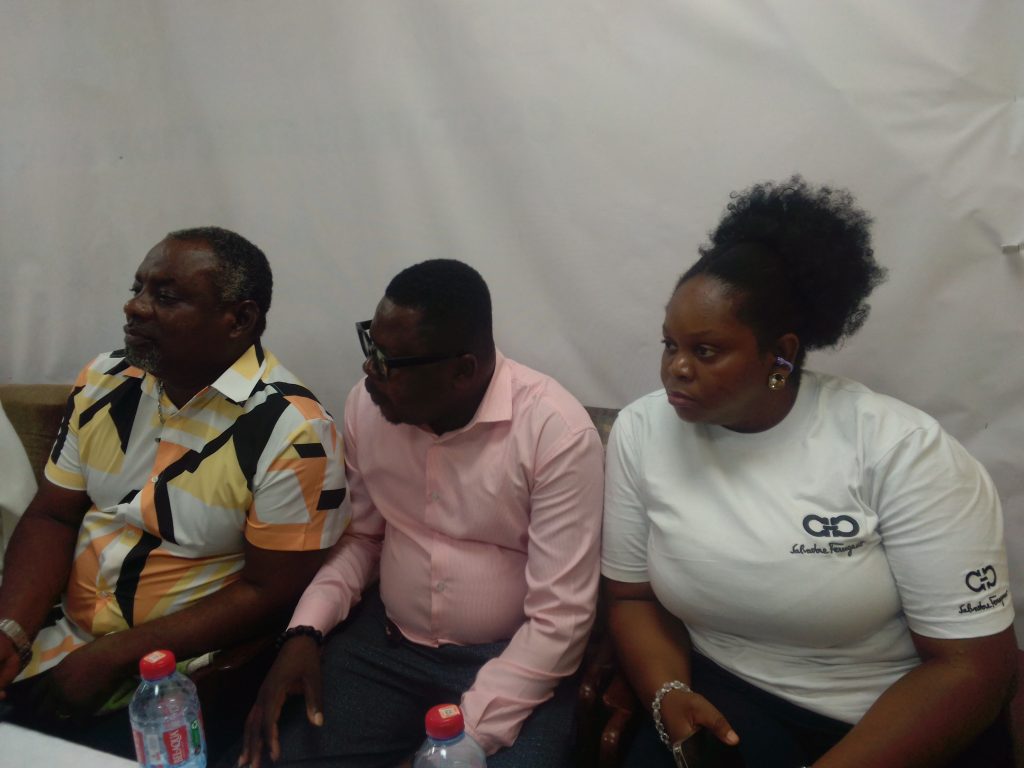
The Association is therefore recommending that the Chief of Staff urgently convene a special government delegation comprising the Ministers for Finance, Trade, Agribusiness and Industry, and Transport, together with all relevant port and regulatory agencies, to undertake comprehensive stakeholder engagement and establish an immediate action plan.
74% of Containers Red-Routed
A major concern raised by IEAG is the excessive routing of containers for intrusive physical examination. Under the risk-based customs clearance system, scanning and risk profiling are meant to separate low-risk from high-risk consignments.
However, IEAG says checks with port operators indicate that approximately 74 percent of containers undergoing scanning are being routed to the red channel for physical examination.
“A risk-management system that routinely channels an exceptionally high proportion of cargo into intrusive examination risks becoming a congestion-generating mechanism rather than a trade-facilitation mechanism,” the statement said.
Every additional examination, IEAG explains, requires equipment, manpower, positioning, stripping, inspection and movement, putting enormous pressure on examination bays, terminals and truck operators. It is therefore calling for an immediate data-driven review of Customs’ selectivity and risk-management parameters.
Breakdown of Joint Inspection
Another major contributor to congestion, according to IEAG, is the breakdown of the joint inspection regime. Historically, where a container required multi-agency inspection, agencies including Customs, FDA, NACOC, National Security and other competent authorities would coordinate and examine the container once.
IEAG says its current findings suggest this coordinated approach is not consistently being observed. Some regulatory agencies do not always participate in the initial inspection and only appear after Customs has completed its examination and the container is ready for release.
The same container is then dropped again for a second inspection, creating unnecessary truck movements, longer dwell times and avoidable costs.
IEAG also described as disturbing, allegations that some operators are being asked to make unofficial payments of up to GH¢1,000 to facilitate the avoidance of additional inspections.
It said these are allegations that must be independently investigated, as such practices constitute a serious threat to Ghana’s trade facilitation agenda.
Regulatory Fees Becoming a Congestion Driver
IEAG is equally concerned about what members describe as significant and in some instances unreasonable increases in regulatory, inspection, certification and processing fees by agencies operating within the port environment, including the Ghana Standards Authority (GSA), Food and Drugs Authority (FDA) and Environmental Protection Agency (EPA).
According to the Association, the issue is not just the quantum of individual charges but the cumulative cost and administrative burden on consignments that fall under multiple agencies.
lmporters and customs house agents are spending considerable time contesting assessments and waiting for regulatory approvals before cargo can be released, creating bottlenecks that increase demurrage, storage, and container detention costs.
It is calling for a government-led review of all port-related regulatory fees to draw a clear distinction between legitimate cost recovery and charges that inadvertently become barriers to trade.
Trucks Avoiding Some Terminals
IEAG’s findings also point to a serious challenge with truck turnaround times.
The Association says it has received persistent reports that some truck drivers are reluctant to pick containers from certain terminals, including MSC-operated container handling facilities, because of excessive waiting times to load or exit.
A truck that spends several hours waiting cannot efficiently serve other importers, which reduces the effective capacity of the national haulage fleet and contributes to the accumulation of uncleared containers within the port system.
National Trade Competitiveness at Risk
IEAG warns that the situation could become significantly worse as Ghana approaches the final quarter and the December peak trading period.
If immediate measures are not taken, the existing bottlenecks could result in a substantial increase in cargo dwell time, storage and demurrage liabilities and operational costs.
More importantly, Ghana risks losing cargo volumes to competing ports.
IEAG says it is already receiving indications that some importers are exploring routing their cargo through the Port of Abidjan in Côte d’Ivoire because of delays and uncertainties at Ghana’s ports.
“This should concern the government. Once an importer establishes a reliable alternative supply chain through another regional gateway, winning that business back becomes extremely difficult,” the statement noted.
Petition to Remove SOAAG from State Boards
Finally, IEAG has petitioned the President to reconsider the continued representation of the Ship Owners and Agents Association of Ghana (SOAAG) on key maritime sector state boards, including the Ghana Maritime Authority and the Ghana Ports and Harbours Authority.
The Association cites persistent disregard for duly issued state directives by some shipping interests. It finds it unacceptable that importers continue to bear a charge of approximately US$165 per container under the Container Administrative Charge when a regulatory directive and a High Court ruling have established a GH¢720 per TEU ceiling for both import and export containers.
IEAG recalled a historical precedent in 2016, when during the tenure of Hon. Fiifi Kwetey as Minister for Transport, shipping lines introduced Terminal Handling Charges (THC) at Ghana’s ports.
After agitation, the Ministry directed that the charges should not be imposed as a local charge, but some shipping lines continued.
It reportedly took the intervention of the then Director-General of GPHA, Richard Anamoo, who threatened to prevent vessels from berthing, and then-President John Mahama who intervened.
IEAG believes the recurrence of similar confrontations suggests the underlying issue is the broader relationship between shipping interests, state regulators and other stakeholders, and that organisations that are beneficiaries of representation on state boards must demonstrate institutional responsibility.
For its immediate solution, IEAG is proposing that government establish measurable port performance targets, including maximum turnaround times for examinations, valuation disputes, regulatory inspections, truck processing and cargo release.
“The port cannot be efficient if every agency optimises its own process while the importer bears the cumulative delay. If decisive action is not taken now, Ghana may not only be fighting congestion at the ports in December, we may also be fighting to win back importers who have already moved their cargo and supply chains to competing ports,” the statement concluded.
Ghanaianannpuncer
send invite to aba.mavis@gmail.com,or call 0505913033,027697495
asvert, sponsorship, news, partnership, graduation, wedding ceremony, church activities, birthday party or wishes, call 0505913033,0207697495
